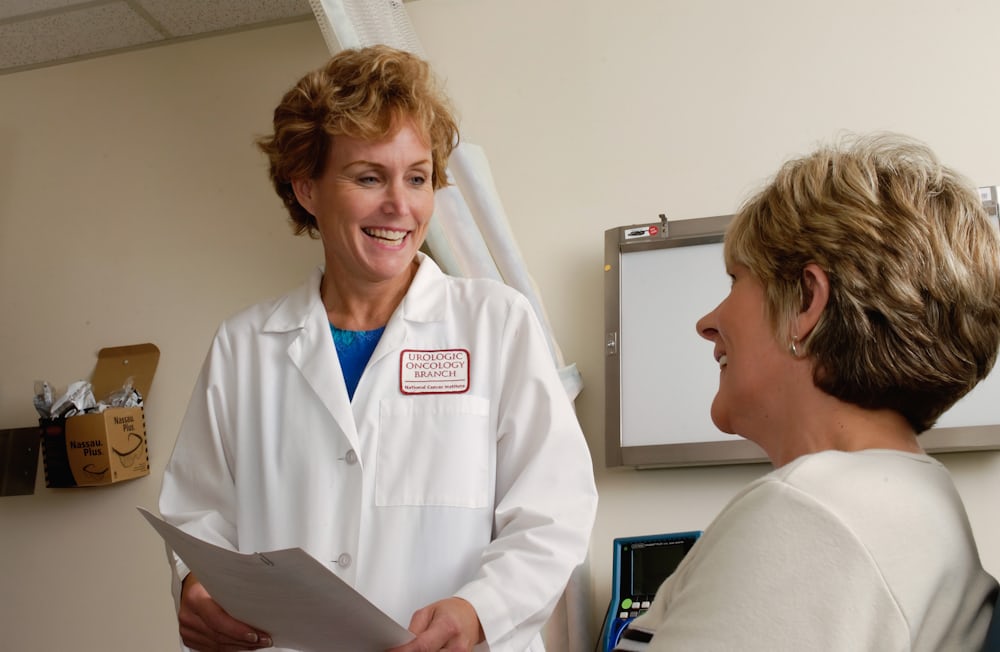
For a long time, the yearly physical was treated as a ritual — same panel of tests, same schedule, for everyone. But medicine has moved on. After 40, your risk profile changes, and a good check-up should change with it. The goal isn't more testing; it's the right testing.
In the exam room I'm often asked, "Doctor, do I really need all of this?" The honest answer is: probably not all of it — but the parts that matter, matter a great deal. Below is how I think about a modern annual visit for adults, and where the real value lies.
What actually earns its place
A handful of screenings have strong evidence behind them because they catch conditions early, while they're still quiet and treatable. These are the ones I rarely skip:
- Blood pressure — the single most cost-effective measurement in medicine.
- Lipid panel — cholesterol trends guide long-term cardiovascular risk.
- Blood glucose / A1c — catches prediabetes years before symptoms.
- Colorectal screening — begins at 45 for most adults, and saves lives.
- Age-appropriate cancer screening — tailored to your history and sex.
Watch this first
I put together a short video on the same topic — what preventive care genuinely catches, in plain language, in under five minutes.
"The best check-up isn't the longest one — it's the one aimed at the risks that are actually yours."
What you can usually let go
Just as important is knowing what to skip. Routine whole-body scans, broad tumour-marker panels, and annual EKGs in people without symptoms tend to create anxiety and follow-up costs without improving outcomes. When a test won't change what we do, it rarely belongs on the list.
Make the visit work harder
Come with your questions written down, bring an up-to-date medication list, and know your family history. Those three things routinely change my recommendations more than any single lab result. A focused conversation is the most powerful diagnostic tool in the room.
If you're overdue for a visit — or simply want a second opinion on what's worth doing — that's exactly the kind of conversation I'm here for.

Dr. David Bennett
Board-certified internal medicine physician with 30+ years of experience across Chicago's leading hospitals. Practicing at TopDoc Clinic.
Book an appointment